Choosing a Lithium Vacuum Cleaner is not simply about selecting the strongest motor. It requires attention to battery chemistry, cleaning performance, weight, filtration, and daily convenience. A reliable model should match your floors, room size, pets, and cleaning habits. A compact apartment may need a lighter battery system, while a larger home may require longer runtime and a removable spare battery.
Look beyond impressive product claims. Check whether the stated runtime applies to the lowest power setting, because maximum suction often drains the battery quickly. Examine the dustbin capacity, filter design, charging time, and replacement-part availability. A vacuum that feels powerful in a showroom may become tiring after ten minutes of use. I have found that handle balance matters more than many buyers expect, especially when cleaning curtains or reaching beneath furniture.
Small details matter.
Independent reviews, warranty terms, and manufacturer support can reveal more than advertising language. Look for test results on both hard floors and carpets, since performance may change noticeably between surfaces. Noise levels also deserve attention in homes with children, pets, or shared walls. No single Lithium Vacuum Cleaner suits everyone. Your ideal choice depends on practical conditions, not just specifications. Even experienced shoppers can overlook maintenance costs or underestimate charging interruptions. A careful comparison helps prevent an attractive purchase from becoming an inconvenient one.
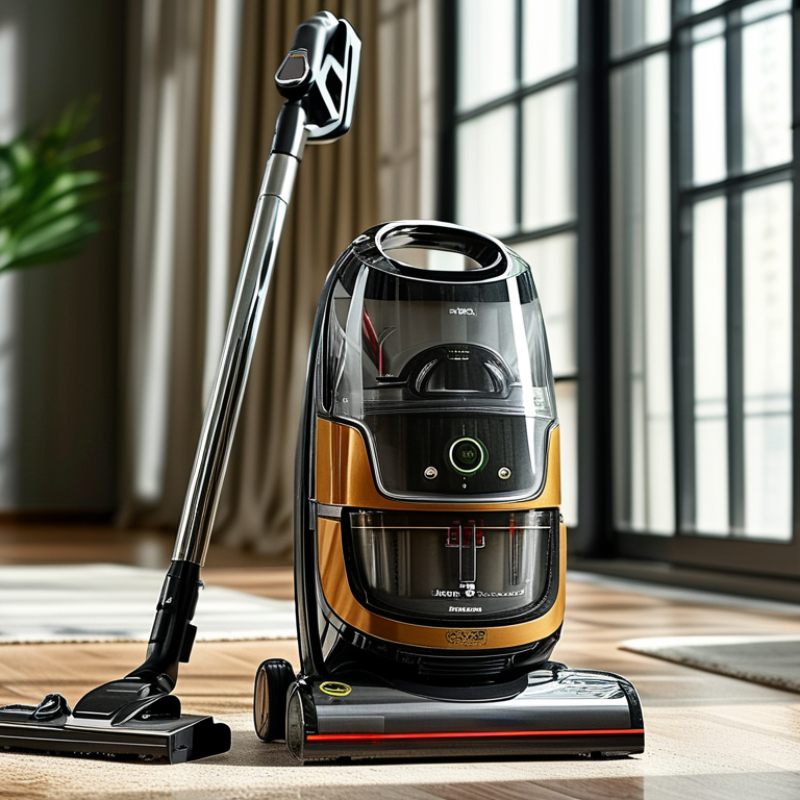
Choosing a lithium vacuum cleaner starts with an honest look at your home. Do you clean hard floors, thick carpets, pet hair, or narrow stairs? Count the rooms and notice where dust gathers. A compact apartment may need a lightweight cleaner with moderate runtime. A larger home may require a removable battery or a second battery.
Pay attention to cleaning frequency, too. Daily crumbs need quick access, while weekly deep cleaning demands stronger suction and a larger dustbin. In real household use, battery capacity alone can mislead. A long runtime may drop sharply on the highest setting. Check the stated runtime at different power levels. Also, inspect the charging time. Waiting several hours can become frustrating.
Your environment matters just as much. Homes with children, pets, or allergy concerns benefit from sealed filtration and washable components. Smooth floors usually need soft rollers, while carpets require an effective brush design. Measure storage spaces before buying. A tall charging stand may not fit beneath a cabinet. Noise is another practical issue, especially in apartments or homes with sleeping children. Cleaning professionals often recommend checking filter replacement costs and safety certifications, not only suction figures. I would recheck those details before purchasing. A cleaner can feel powerful in a showroom, yet awkward after ten minutes of use. Handle weight, trigger pressure, and dustbin release should match your daily habits.
Choosing a lithium vacuum cleaner starts with its battery chemistry, not its advertised power.
Most models use lithium-ion cells because they balance weight, energy density, and cost. Lithium iron phosphate cells usually offer stronger cycle life and better heat stability, but they can add weight. High-energy cells may provide longer cleaning sessions, yet heat and aging deserve attention. A lighter battery is not always the better battery.
Runtime depends on more than the stated capacity.
Compare watt-hours, calculated by multiplying voltage by amp-hours. A 36-volt, 5-amp-hour battery stores about 180 watt-hours. On thick carpet, a powered brush can drain it quickly. Eco mode may last 45 minutes, while maximum suction may last only 10 to 15 minutes. Real floors are messier than laboratory tests. Hair, blocked filters, and cold rooms reduce performance.
Charging behavior also affects daily convenience.
A full charge commonly takes three to five hours. Fast charging saves time, but it may create more heat and increase long-term wear. Check whether the battery can be removed and charged separately. This matters in a larger home. Avoid charging a very cold or hot battery. Keep the filter clean, too; poor airflow makes the motor work harder. I would not trust runtime claims alone. Test the cleaner on your own floors, and leave some capacity for unexpected dirt.
Suction power matters, but the highest number is not always the best choice. Test how well the vacuum lifts crumbs from rugs and dust from narrow floor gaps. A strong motor can still disappoint if the brush head leaks air. Check whether suction remains steady as the battery loses charge. I once focused too much on peak power and overlooked airflow control. That was a poor comparison.
Filtration protects the room, not just the machine. Look for a sealed filtration system with a washable pre-filter and a replaceable fine-particle filter. After cleaning, inspect the exhaust area for a dusty smell or visible residue. Filters need regular care. A neglected filter can reduce suction and shorten cleaning time. “HEPA” alone is not enough; the whole air path should be sealed.
Tips: Match attachments to your home. A motorized floor head suits carpets, while a soft roller helps protect smooth surfaces. Use a crevice tool around sofa seams and radiator edges. A small upholstery brush is useful for curtains and fabric chairs. Check whether attachments lock firmly and can be stored easily. Test the cleaner in one room before buying. Your floor type may reveal weaknesses that specifications hide.
How to Choose a Lithium Vacuum Cleaner?
Choosing a lithium vacuum cleaner starts with the body, not the battery label. A balanced handle keeps your wrist straighter during long cleaning sessions. Look for a low center of gravity and controls reachable with one thumb. A slim head can slide under sofas, but narrow designs may clean slowly across open floors. Check whether the tube folds or detaches without tools. Small details matter. They save time.
Weight should be judged in cleaning position, not only on the specification sheet. Hold the machine at shoulder height for ten seconds. If your arm shakes, daily use may become tiring. Noise also deserves a real-world check. Listen near hard floors and carpets, because motor tone can change. A quieter cleaner feels more comfortable in a small apartment, though silent operation is unrealistic. I once chose a light model that sounded harsh, and regretted it after several minutes.
Maintenance affects performance more than many buyers expect. Empty the dust container before it becomes packed, wash reusable filters as instructed, and let them dry completely. Wet filters can create trouble. Check access to the brush roll, seals, and battery compartment. Durable construction usually shows in firm hinges, protected wheels, and connectors that do not wobble. Read the manual for battery storage and replacement limits. Claims about long life need evidence, so compare warranty terms, test procedures, and independent user reports. My own mistake was judging durability by appearance alone; glossy plastic looked strong, but repeated latch use revealed weakness.
Choosing a lithium vacuum cleaner requires more than comparing suction power. Check for cell protection, overcharge control, temperature monitoring, and short-circuit prevention. Compliance with IEC 62133-2 and the relevant vacuum-cleaner safety standard, IEC 60335-2-2, offers stronger evidence than vague “advanced battery” claims. The U.S. Consumer Product Safety Commission repeatedly links lithium-ion incidents with damaged, modified, or poorly protected batteries. Inspect the battery housing for cracks, swelling, loose contacts, or unusual heat after charging. Stop using it if any appear.
Warranty terms reveal long-term value. The European Commission’s Preparatory Study on Vacuum Cleaners estimated an average appliance lifetime of about eight years, although cordless models may age faster because batteries wear first. A useful warranty should cover the battery, charger, motor, and replacement labor separately. A two-year body warranty means little if the battery receives only six months. Check whether replacement cells remain available for several years. Read the exclusions carefully. “Normal capacity loss” can hide expensive replacement costs.
Total cost matters more than the sticker price. Divide the purchase price, battery replacements, filters, and electricity by expected years of service. The International Energy Agency reports that lithium-ion battery prices fell sharply through 2023, but retail replacement prices do not always follow that trend. That gap deserves attention. I would not assume a higher price guarantees safer construction. Ask for test documentation, clear charging instructions, and a realistic battery-cycle rating. Small details matter. Forgetting them is easy.
| Evaluation Dimension | What to Check | Practical Benchmark | Long-Term Value Impact | Priority |
|---|---|---|---|---|
| Battery Chemistry | Confirm the battery is a genuine lithium-ion pack with clearly stated voltage, capacity, and replacement availability. | A removable pack is generally easier to replace than a permanently sealed battery. Capacity should be listed in watt-hours or clearly documented by the manufacturer. | Replaceable batteries can extend the usable life of the vacuum and reduce electronic waste. | High |
| Battery Protection | Look for overcharge, over-discharge, over-current, short-circuit, and temperature protection managed by a battery-management system. | Protection functions should be stated in the manual or technical documentation, not only in marketing descriptions. | Proper protection helps reduce avoidable battery damage and overheating risks during charging and use. | High |
| Charging Safety | Check for an approved charger, clear charging instructions, ventilation requirements, and safeguards against charging a hot or damaged pack. | The charger should match the battery specifications and be supplied or approved by the original manufacturer. | Using the correct charger helps protect battery performance and lowers the chance of charging-related faults. | High |
| Safety Certification | Verify relevant electrical and battery compliance markings for the intended sales region and check that documentation is traceable. | Certification details should appear on the product, packaging, declaration of conformity, or official technical documents. | Traceable compliance information provides stronger evidence of testing than an unexplained safety logo. | High |
| Usable Runtime | Compare runtime in the cleaning mode you will actually use, rather than relying only on the lowest-power setting. | Many cordless lithium vacuums provide roughly 20–60 minutes in low or standard modes, while high-power modes usually provide less. | A realistic runtime estimate prevents the need for an unnecessary second battery or frequent replacement. | Medium |
| Battery Replacement Cost | Record the price, availability, fitting method, and expected lead time for an original replacement battery. | Prefer a battery that can be purchased separately through an established service channel, with clear compatibility information. | The purchase price alone is misleading if a replacement battery is unavailable or costs a large portion of a new vacuum. | High |
| Warranty Coverage | Separate the main-appliance warranty from battery coverage and check exclusions for normal capacity loss, consumables, and misuse. | A written warranty of at least 12 months is a basic reference point; longer coverage is more valuable when terms are clear and service is accessible. | Clear battery and motor coverage can reduce unexpected ownership costs during the first years of use. | High |
| Repairability and Parts | Check whether filters, brush rolls, seals, chargers, batteries, and other high-wear parts are sold separately. | Prioritize products with documented part numbers, cleaning instructions, and service procedures. | Replaceable wear parts can prevent a minor failure from making the entire appliance unusable. | High |
| Thermal Performance | Look for thermal cut-off protection and instructions to stop use if the pack becomes unusually hot, swollen, or damaged. | The vacuum should not be operated or charged when the battery shows visible damage, leakage, swelling, or persistent overheating. | Good thermal management supports safer operation and helps limit stress that can shorten battery life. | High |
| Total Cost of Ownership | Estimate purchase price plus replacement batteries, filters, brush rolls, chargers, and likely service costs over five years. | Use a five-year estimate rather than comparing only the initial purchase price. | A moderately priced vacuum with available parts may cost less over time than a cheaper model that must be replaced early. | High |
Hi! Simply click below and type your query.
Our experts will reply you very soon.
