Why Are Hydraulic Motors Essential in Modern Machinery?
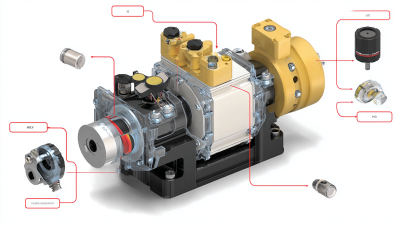
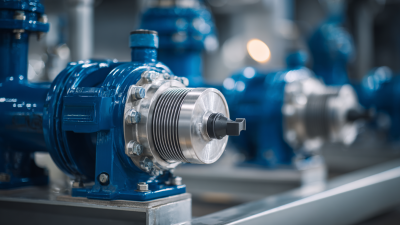
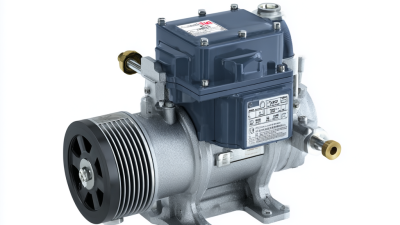
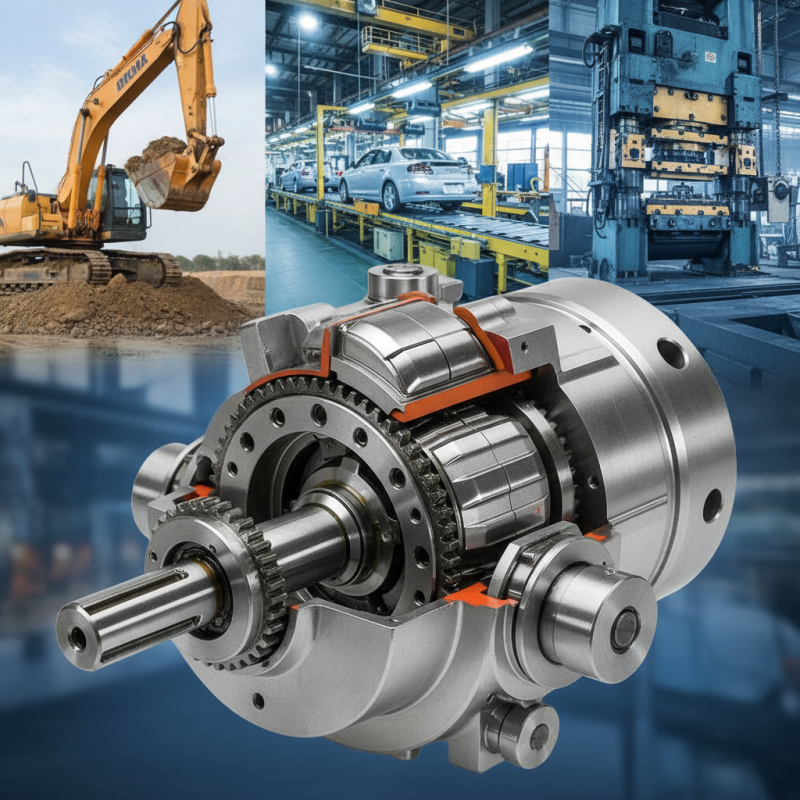
Hydraulic motors play a vital role in modern machinery. These devices convert hydraulic energy into mechanical power. This process drives various equipment used across multiple industries. In construction, hydraulic motors power excavators and bulldozers, allowing for precise movements. In manufacturing, they help in assembly lines, enhancing productivity.
However, reliance on hydraulic motors poses challenges. They require regular maintenance to avoid inefficiencies. Leaks can occur if not properly monitored, leading to costly repairs. Additionally, the complexity of hydraulic systems can create barriers for new users. Understanding these systems is crucial for optimal performance.
Despite these concerns, the advantages of hydraulic motors are undeniable. Their ability to generate high torque at low speeds is unmatched. Moreover, they are suitable for heavy-duty applications, making them indispensable. As industries evolve, hydraulic motors will continue to shape machinery and its capabilities.
The Role of Hydraulic Motors in Industrial Applications Today
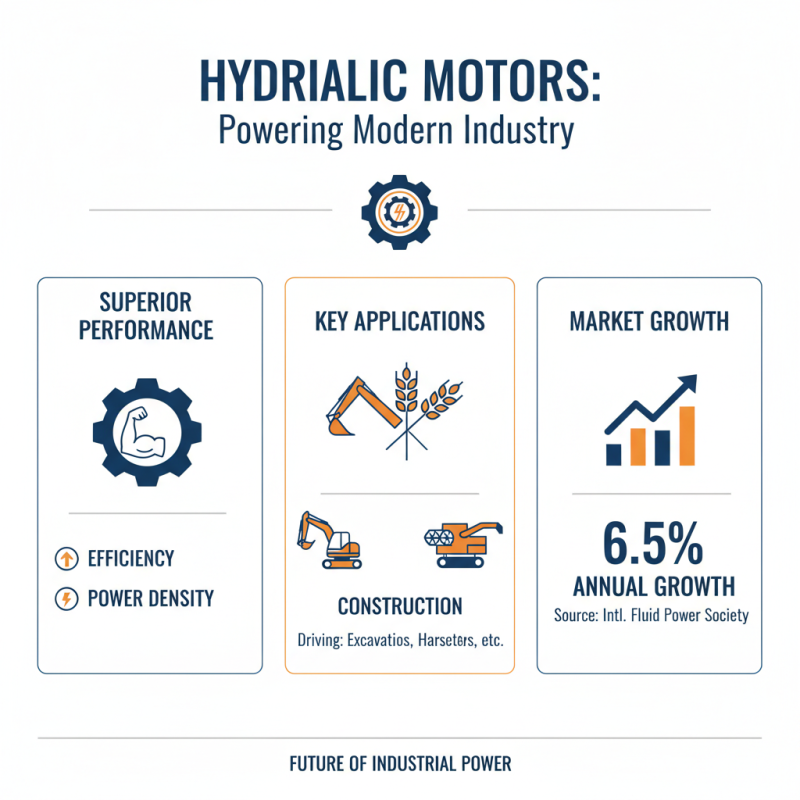
Hydraulic motors play a crucial role in various industrial applications today. They offer superior efficiency and power density compared to other types of motors. In sectors such as construction and agriculture, hydraulic motors are responsible for driving equipment like excavators and harvesters. According to the International Fluid Power Society, the hydraulic motor market is expected to grow by 6.5% annually, indicating their increasing dominance in industrial settings.
These motors convert hydraulic energy into mechanical energy, providing reliable torque and speed control. In fact, they can achieve exceptional torque at low speeds. For instance, a hydraulic motor can deliver full torque from 0 rpm, making it ideal for heavy machinery that requires high starting power. However, this technology is not without challenges. Maintenance can be complex, and leaks can lead to inefficiencies, showing that ongoing improvement is needed in system design and fluid management.
Moreover, the energy cost is a significant concern. Reports suggest that system efficiency can drop to 70% due to various factors. This realization pushes engineers to rethink designs and prioritize more efficient systems. Therefore, while hydraulic motors are essential, there is an ongoing opportunity to refine their applications and improve overall performance in modern machinery.
Advantages of Hydraulic Motors Over Electric Motors in Machinery
Hydraulic motors play a crucial role in modern machinery.
They excel in providing high torque at low speeds.
This makes them ideal for heavy-duty applications like construction equipment.
Hydraulic systems can deliver consistent power without the need for complex gear systems.
This efficiency often results in lower maintenance needs.
In contrast to electric motors, hydraulic motors have advantages in certain environments.
They can operate underwater and in hazardous conditions where electric motors may fail.
Additionally, hydraulic components are more compact, enabling flexible machine design.
Hydraulics can also handle larger loads, which is essential in industries like agriculture and manufacturing.
Yet, hydraulic systems are not without drawbacks.
They can leak and require regular maintenance.
Pressure fluctuations might lead to performance issues.
These factors necessitate careful consideration when choosing between hydraulic and electric options.
The right choice depends on specific use cases.
Key Industries Utilizing Hydraulic Motors and Their Performance Metrics
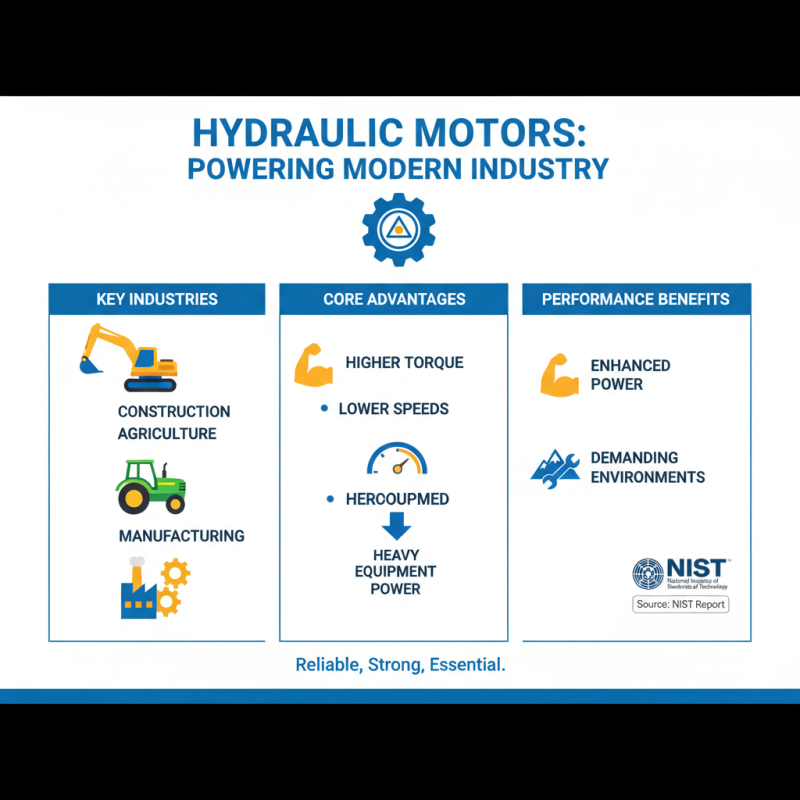
Hydraulic motors play a vital role in various industries today. They are crucial for construction, agriculture, and manufacturing sectors. A report from the National Institute of Standards and Technology noted that hydraulic systems can provide higher torque at lower speeds, making them suitable for heavy equipment. This feature enhances motor performance, especially in demanding environments.
In agriculture, hydraulic motors power equipment like tractors and harvesters. According to the Agricultural Machinery Statistics, nearly 80% of machinery in this sector uses hydraulic systems. Their efficiency can boost productivity by 25% or more during peak seasons. However, the dependency on hydraulic systems leads to concerns about maintenance and potential failures.
The manufacturing sector also heavily relies on hydraulic motors. They are integral to assembly lines and robotic systems. The International Fluid Power Society states that companies using hydraulic machinery report up to 40% faster production rates. Yet, there are challenges with energy consumption and system leaks that can hinder performance and increase operational costs. Addressing these issues is crucial for maximizing the potential of hydraulic motors.
Technological Innovations in Hydraulic Motors for Enhanced Efficiency
Hydraulic motors play a crucial role in modern machinery, driving advancements across various industries. Recent innovations, particularly in design and materials, significantly enhance their efficiency. Compact designs are now more common, allowing for integration into tighter spaces. This flexibility leads to better machine performance. Furthermore, lightweight materials reduce strain and improve energy consumption.
In addition to design improvements, digital controls are becoming standard. These controls optimize the performance of hydraulic motors, adjusting them to specific tasks. Real-time feedback allows for precise operation, minimizing waste. However, the integration of new technologies isn't always seamless. Operators sometimes face a learning curve, which can hinder immediate efficiency gains.
The move towards smart hydraulic systems is noteworthy. These systems leverage sensors to monitor performance continuously. Data analytics helps predict maintenance needs, reducing downtime. Yet, implementing these systems can introduce complexity. Not all machinery is ready for such upgrades, leading to potential mismatches. Addressing these challenges will be key to fully realizing the benefits of innovative hydraulic motors.
Future Trends in Hydraulic Motor Development and Sustainability
Hydraulic motors play a crucial role in modern machinery. They provide precise control and immense power. As industries seek efficiency, the demand for advanced hydraulic motors rises. Future trends focus on sustainability and innovation.
Many manufacturers are exploring eco-friendly fluids. This can reduce environmental impact significantly. Another trend involves integrating smart technology. Sensors and IoT can optimize performance. It can help in predicting maintenance needs. These advancements lead to more efficient machinery.
Tip: Regularly check for leaks. Small issues can turn into bigger problems. Keeping up with technology is vital. Investing in upgrades pays off in the long run. Consider training for operators. Knowledge boosts safety and efficiency. Reflect on your needs and choose wisely.
Why Are Hydraulic Motors Essential in Modern Machinery? - Future Trends in Hydraulic Motor Development and Sustainability
| Dimension |
Current Value |
Future Trends |
| Efficiency (%) |
85 |
>90 |
| Weight (kg) |
50 |
40 |
| Operating Pressure (bar) |
200 |
250 |
| Lifespan (years) |
10 |
15 |
| Carbon Emissions (g/kWh) |
120 |
60 |