What is a Motorized Valve and How Does It Work?
Motorized Valves are essential components in various industrial applications. Their role in controlling fluid flow is significant. According to a recent market report by Research and Markets, the global motorized valve market is expected to grow substantially, reaching a valuation of over $3 billion by 2025. This growth highlights the increasing reliance on automation and remote operation in industries like oil and gas, water treatment, and HVAC systems.
Understanding how a motorized valve operates can reveal its complex mechanics. Typically, these valves use electric actuators to precisely regulate flow rates. This precision is critical in maintaining efficiency and safety in industrial processes. However, installing and maintaining these systems can be challenging. Issues like improper calibration or mechanical failure can cause inefficiencies and increase operational costs.
Some industries may face a steep learning curve with motorized valves. Adopting this technology requires training and a solid understanding of the equipment. Despite these challenges, the benefits of increased control and efficiency are undeniable. Thus, motorized valves are becoming indispensable in modern industrial setups, yet they also prompt ongoing reflection on how to enhance their implementation.
What is a Motorized Valve?
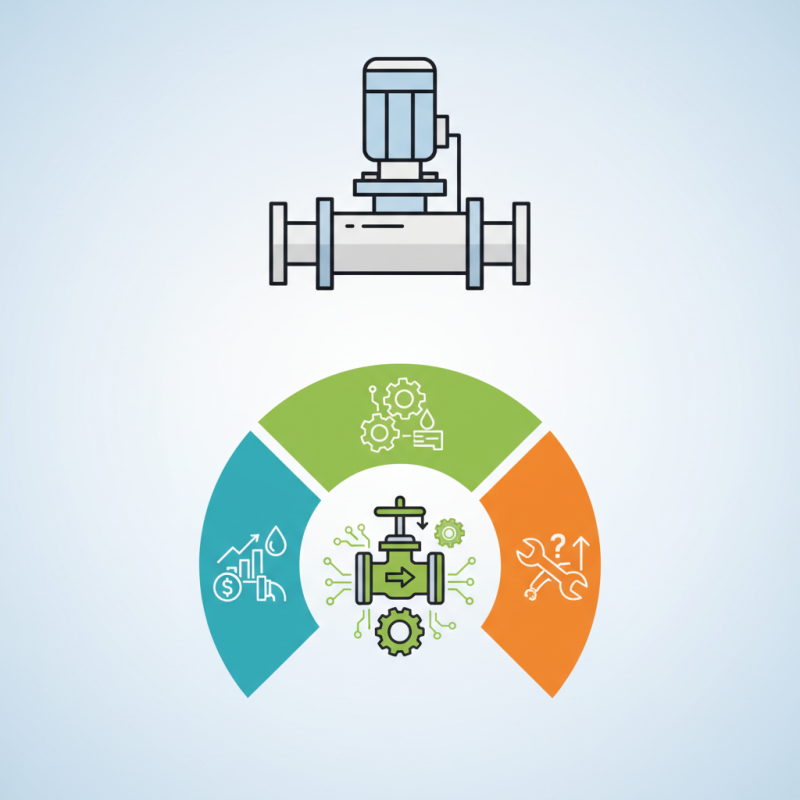
A motorized valve is an automated device used for controlling fluid flow. It combines a valve with an electric actuator. This actuator adjusts the valve's position based on signals from a control system. In applications like HVAC and water management, motorized valves are essential. They offer precision and efficiency.
These valves are crucial in various industries. According to a report from MarketsandMarkets, the global market for motorized valves was valued at approximately $4.5 billion in 2022. This figure highlights their importance in modern systems. Motorized valves can reduce energy consumption by over 30% when properly integrated. However, they can malfunction due to improper installation or maintenance.
Many design engineers overlook the need for regular checks. Faulty wiring can lead to unexpected closures or failures. This may result in costly downtime in industrial settings. In some cases, outdated technology can hinder performance. Addressing these issues is vital for optimizing flow control. Motorized valves are not just simple components; they need to be understood and maintained properly.
Different Types of Motorized Valves and Their Applications
Motorized valves play a crucial role in controlling fluid flow in various systems. They come in several types, each suited for specific applications. The most common types include globe valves, ball valves, and butterfly valves. Globe valves are excellent for throttling and accurate flow control. Ball valves offer quick, reliable shut-off capabilities, making them ideal for gas and liquid services. Butterfly valves work well in large pipes, ensuring efficient flow regulation.
When selecting a motorized valve, consider the application requirements. Think about the fluid type, temperature, and pressure. Using the wrong valve could lead to performance issues. Also, check for compatibility with the system design.
Tips for maintaining motorized valves include regular inspections. Look for leaks or unusual noises. Additionally, ensure the power supply is stable, as fluctuations can affect performance. Sometimes, we overlook the importance of preventive maintenance. Taking a moment to assess valve conditions can save future headaches. A little diligence today can prevent bigger problems tomorrow.
Motorized Valve Types and Applications
How a Motorized Valve Operates Mechanically
A motorized valve is a vital component in many industrial systems. It controls the flow of fluids by mechanically opening or closing passages. Understanding its mechanical operation is crucial for optimal performance.
The core of a motorized valve is its actuator. This device translates electrical energy into mechanical movement. In a typical setup, an electric motor spins gears connected to the valve. This movement either opens or closes the valve. The precision of this operation directly affects system efficiency. Reports indicate that improper valve operation can lead to a 20% increase in energy consumption.
Mechanical components, such as gears and linkages, must be carefully calibrated. A small misalignment can cause inefficiencies or even damage. Additionally, the maintenance of these parts is essential. Data shows that regularly serviced valves can last up to 30% longer. However, many systems neglect routine checks, leading to premature failures. Understanding these mechanical interactions is a step toward better operational reliability.
The Benefits of Using Motorized Valves in Automation
Motorized valves play a crucial role in automation systems. They use an electric actuator to open or close the valve. This precision enhances the control of fluids in various processes. In industries, efficiency and accuracy are paramount. Motorized valves provide both, enabling better workflow.
The benefits of using motorized valves are significant. They reduce manual labor and the risk of human error. Automation leads to more consistent operation. Maintenance is often simpler than with manual valves. However, inspection is still necessary. Over time, wear can affect performance.
Tips: Regularly check the calibration of motorized valves. Ensure the actuator works smoothly without any obstructions. Training personnel on operation helps prevent mishaps. Embracing these valves can elevate system efficiency. Nevertheless, keep in mind that proper setup is essential. Any oversight can lead to operational challenges.
What is a Motorized Valve and How Does It Work? - The Benefits of Using Motorized Valves in Automation
| Feature | Description | Benefits |
| Type | Electric, Pneumatic, Hydraulic | Versatile options for various applications |
| Control Method | On/Off or Modulating | Precision in flow and pressure control |
| Power Source | Electricity, Air Pressure, Fluid Pressure | Flexible integration into existing systems |
| Applications | HVAC, Water Treatment, Manufacturing | Improved process efficiency and reliability |
| Maintenance | Low maintenance requirements | Reduced operational costs |
| Sensors | Often integrated with pressure or flow sensors | Enhanced automation and monitoring capabilities |
Maintenance and Troubleshooting of Motorized Valves
Motorized valves are crucial components in various systems, ensuring precise control over fluid flow. Regular maintenance is essential. Studies show that 30% of valve failures stem from inadequate upkeep. This can lead to significant downtime and increased operational costs. Noteworthy indicators of malfunction include unusual noises and leaks. These are often the first signs that intervention is necessary.
Routine inspections should focus on actuator performance and sealing integrity. Failures often occur due to worn-out components or blockage. For instance, 25% of valve failures occur because of foreign objects trapped in the system. Cleaning and replacing parts can prevent costly repairs. Technicians should also pay close attention to electrical connections, where corrosion can lead to operational glitches.
Documentation is vital for an effective troubleshooting process. Keeping a log of performance history helps in understanding trends and predicting failures. Failure to track these patterns can lead to missed opportunities for early intervention. When troubleshooting, it’s essential to be systematic, often requiring a combination of visual inspection and technical testing to uncover issues.

